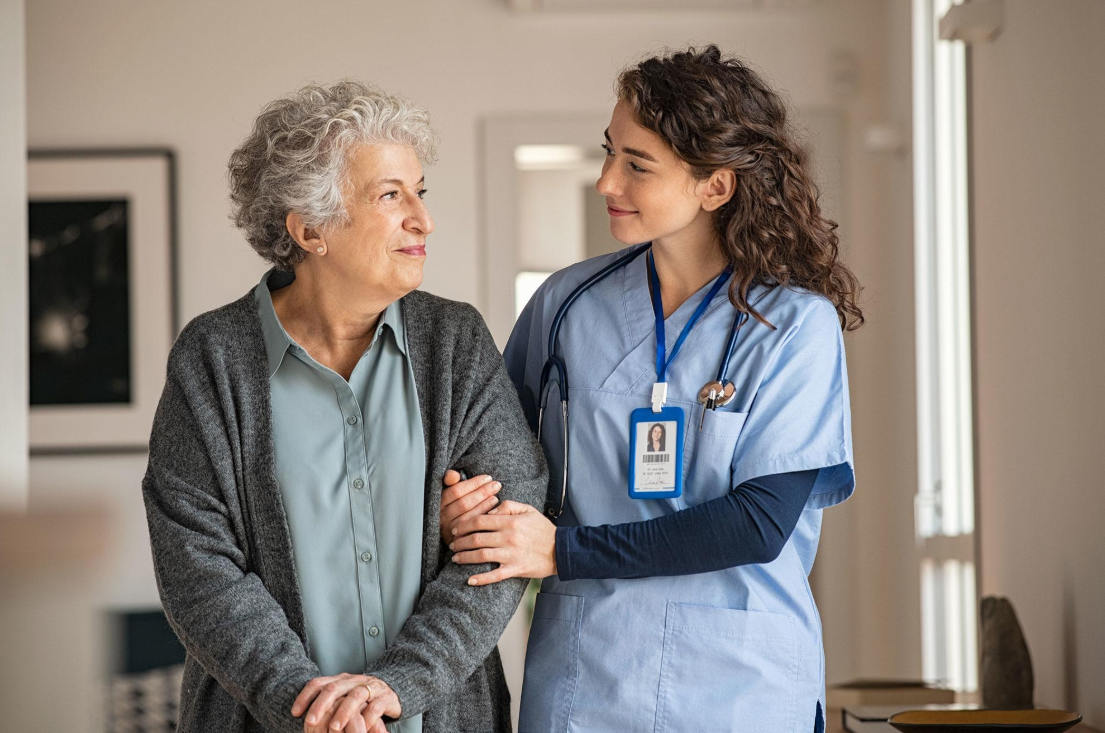
New York continues to offer one of the highest-paying employment markets in the United States for registered nurses (RNs), licensed practical nurses (LPNs), nurse practitioners (NPs), and specialized healthcare professionals. High demand across academic medical centers, municipal public health systems, psychiatric centers, and private clinical networks drives competitive compensation packages across the state.
Below is an overview of expected earnings, mandatory and union-negotiated benefits, practice settings, licensing pathways, and career growth strategies for 2027–2028.
1. Pay Standards & Salary Expectations (2027–2028)
Nursing salaries in New York depend heavily on geographic region, licensing credentials, shift timing, union agreements, and clinical specialization.
Statewide Earnings Benchmarks
- Statewide Average RN Base Salary: Approximately $108,000 to $118,000 per year (around $52.00 to $57.00 per hour).
- New York City Metro Area (NYC, Long Island, Westchester):
- Entry-level BSN graduates at major hospital networks (e.g., NewYork-Presbyterian, Mount Sinai, NYU Langone) start between $118,000 and $128,000+ per year.
- Senior staff nurses with 10–15+ years of experience frequently earn between $145,000 and $168,000+ per year before overtime or night differentials.
- Upstate New York (Albany, Buffalo, Rochester, Syracuse): Average annual salaries range from $90,000 to $102,000 per year.
New York State Civil Service Pay Grades
State agency positions (including state university hospitals, public health departments, and correctional health services) follow standardized salary scales with downstate location adjustments:
| Civil Service Position | Estimated Annual Salary Range | Estimated Monthly Gross |
| Registered Nurse 1 (Upstate) | $70,000 – $88,000+ | $5,833 – $7,333+ |
| Registered Nurse 1 (Downstate Adjustment) | $108,000 – $128,000+ | $9,000 – $10,666+ |
| Registered Nurse 2 (Mid-Level / Supervisor) | $112,000 – $125,000+ | $9,333 – $10,416+ |
| Registered Nurse 3 (Specialized Lead) | $135,000 – $148,000+ | $11,250 – $12,333+ |
2. Comprehensive Benefits & Compensation Premiums
Beyond base wages, nursing employment in New York offers extensive benefit structures:
- Healthcare & Welfare Programs: Comprehensive medical, dental, and vision insurance coverage for employees and eligible dependents.
- Retirement & Pension Plans: Access to 403(b)/401(k) matching accounts in private systems, or enrollment in the New York State and Local Retirement System (NYSLRS) pension for public sector employees.
- Education & Loan Forgiveness: Eligibility for the federal Public Service Loan Forgiveness (PSLF) program at non-profit hospitals and state agencies. Dedicated union programs (such as PEF union-negotiated tuition programs) provide enhanced college tuition reimbursement up to $5,000 to $10,000 per year.
- Shift & Specialty Differentials: Night-shift and weekend differentials add $4.00 to $15.00+ per hour, providing an additional $15,000 to $25,000 per year for full-time night shift workers in high-acuity units.
- Location & Retention Allowances: Geographic pay adjustments allocated to cover higher costs of living in downstate counties.
3. Workplace Settings Across New York
Nurses in New York work across a wide array of public and private environments:
- Tertiary Academic Medical Centers: High-volume acute care hospitals and level-1 trauma centers.
- Outpatient & Diagnostic Clinics: Community health centers, ambulatory surgery suites, and urgent care networks.
- Public Health & Municipal Health Systems: State health departments, county clinics, and NYC Health + Hospitals facilities.
- Specialized Residential Care: Skilled nursing homes, rehabilitation facilities, and assisted living centers.
- State Operations: Public psychiatric centers, veterans’ homes, and correctional healthcare facilities.
- Home Health & School Nursing: 1-on-1 home care nursing and public school district health offices.
4. How to Obtain Nursing Licensure in New York
Practicing legally in New York requires licensure managed by the New York State Education Department (NYSED) Office of the Professions:
- Complete an Accredited Nursing Degree: Graduate with an Associate Degree in Nursing (ADN) or a Bachelor of Science in Nursing (BSN) from an approved institution.
- Fulfill Mandatory State Coursework: Complete state-approved training modules in Infection Control and Child Abuse Identification.
- Pass the NCLEX Exam: Register for and pass the NCLEX-RN or NCLEX-PN licensing examination.
- Obtain NYS Registration: Submit transcripts, background verifications, and licensing fees to NYSED.
- Comply with “BSN in 10” Legislation: Under New York state law, registered nurses earning their initial license must complete a BSN degree within 10 years of initial licensure.
How to Apply